Sculptures and Paintings by Richard Gabriel
PH Embassy in Rome / Nov 4-18, 2025
For this solo exhibition, the chancery provides the exhibition space for the sculptures and paintings of Milan-based Filipino artist, Richard Gabriel.
Gabriel has lived in Italy for 36 years and regularly exhibits in Milan, Venice, Rome and other parts of Europe, as well as in the Philippines. He honed his craft and artistic sensibilities through art courses in Italy, and by training and working under Italian artist Carla Tolomeo, who remains a major influence in his sculptures. In 2007, he received a Presidential award in Manila for his achievements in art.
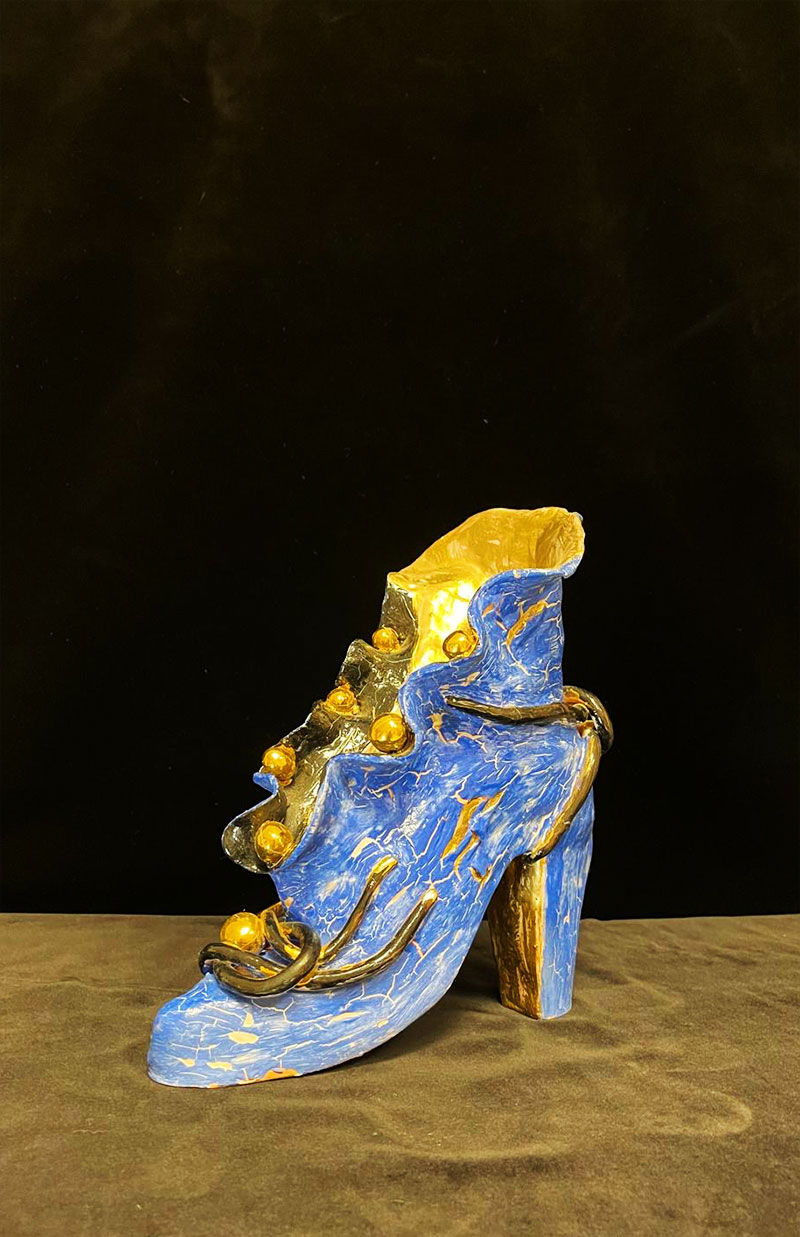
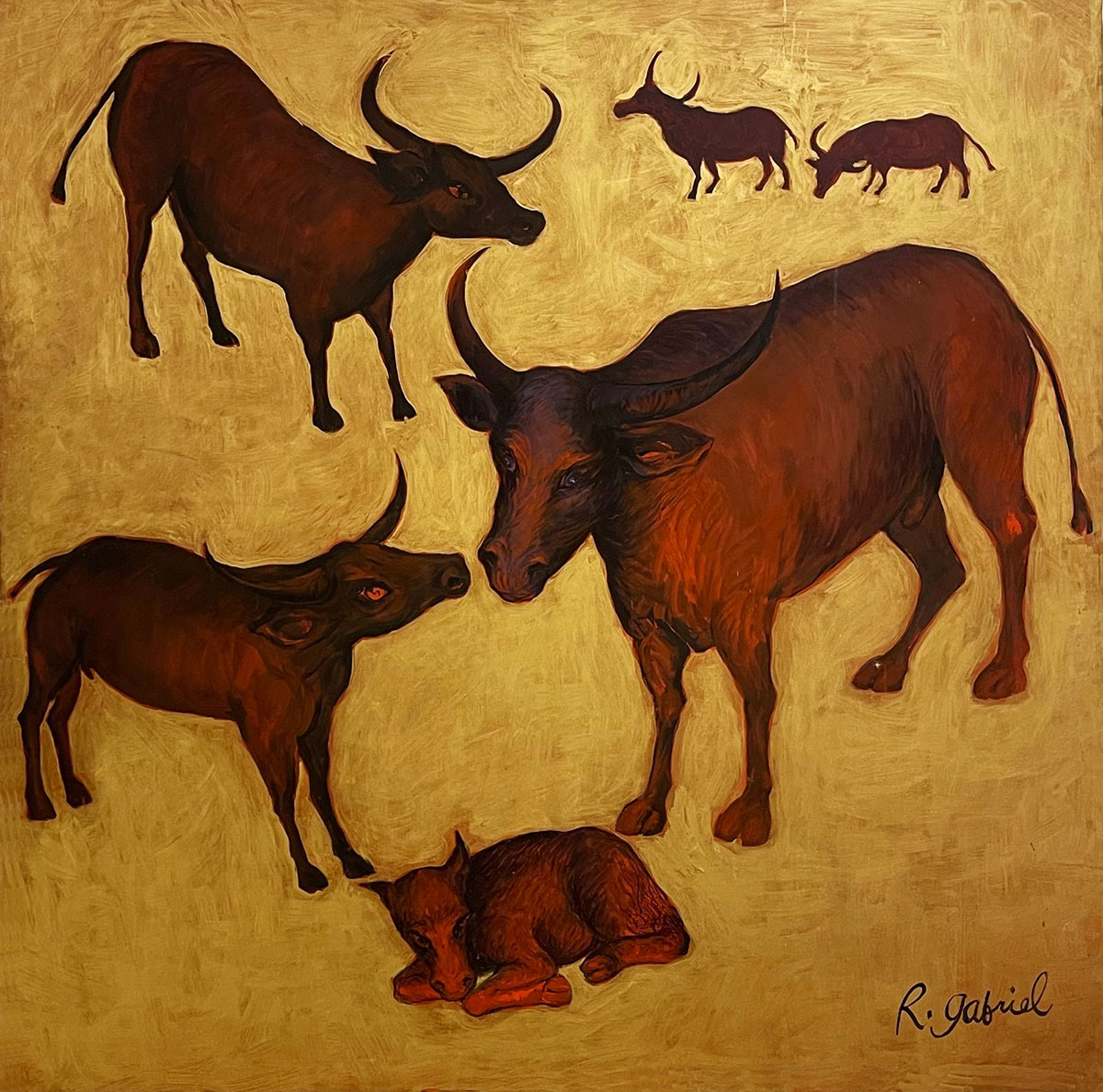
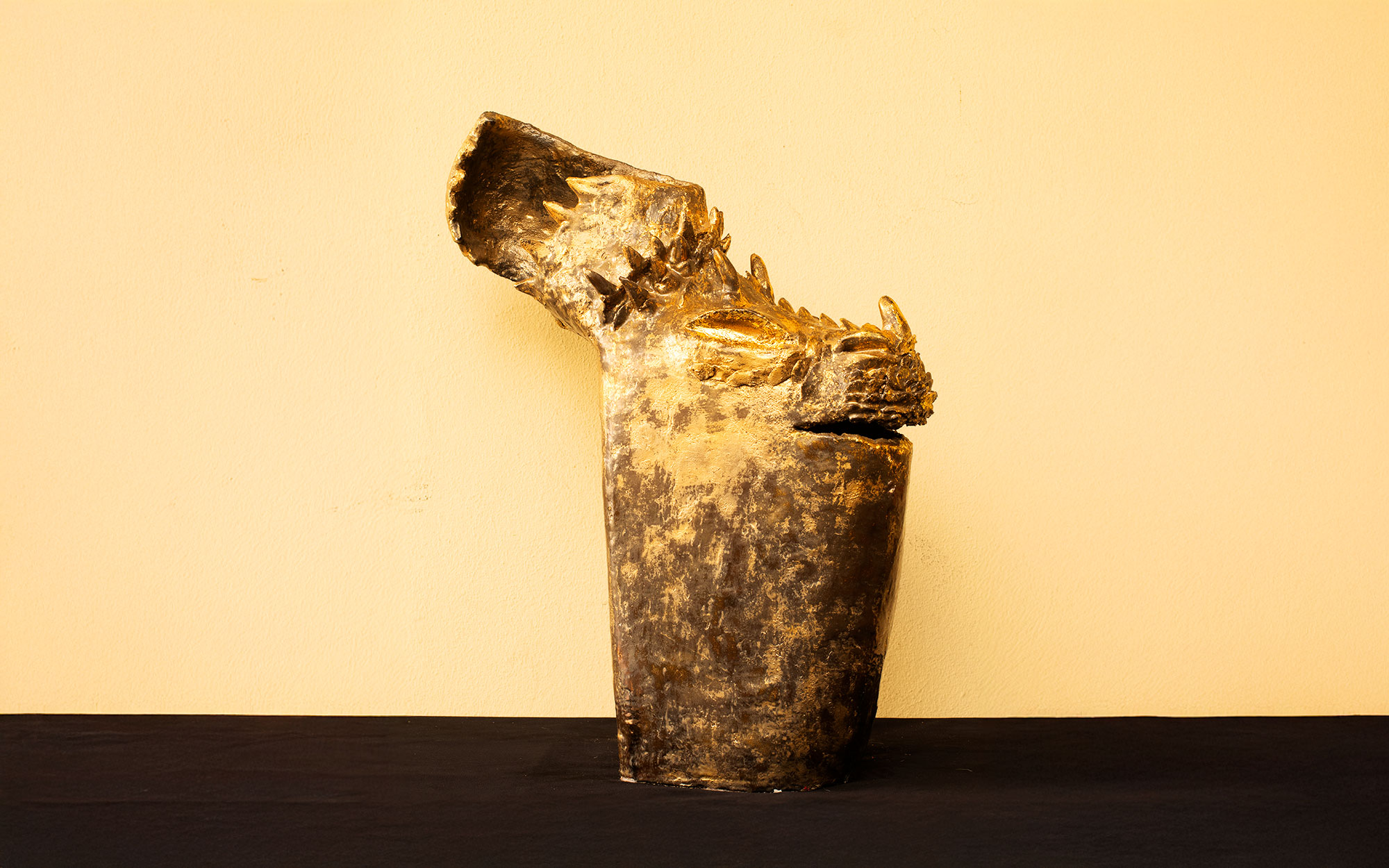
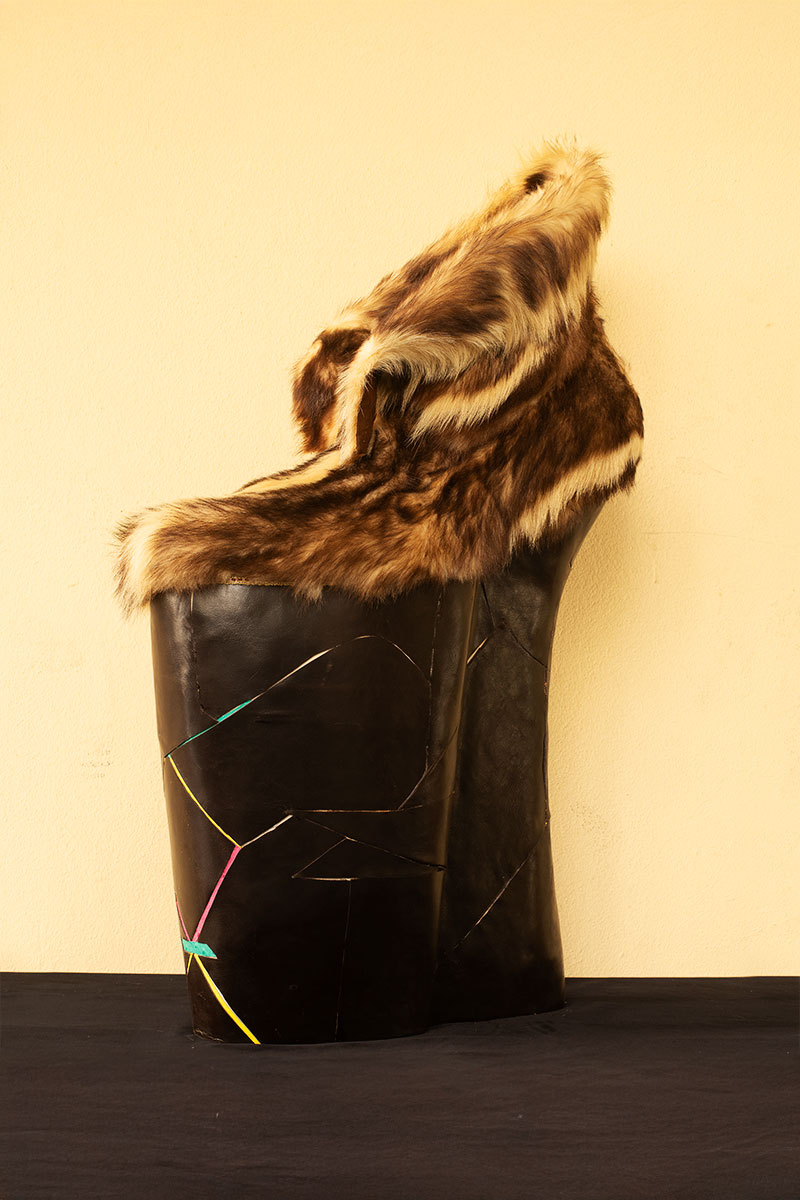
“If the Shoe Fits” explores his favorite sculptural subject, the shoe. All 18 pieces of mixed-media sculptures and six oil paintings represent his latest works and showcase the depth and range of his artistic talent.
Unlike the Italian fashion houses from the North, whose women’s shoes are known for their quality, style and durability, Gabriel’s shoes are neither wearable nor functional but each one, handcrafted and unique, is imbued with its own feminine mood and whimsy. All are rendered with a joie de vivre and a colorful sense of humor that is unmistakably Filipino.
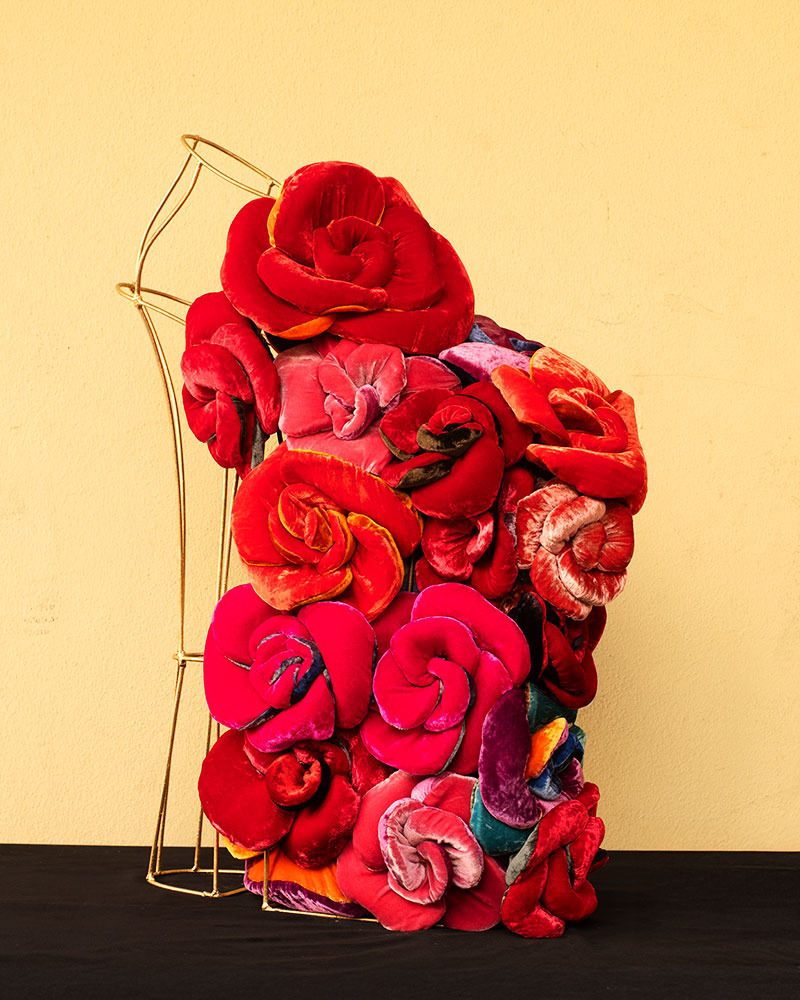
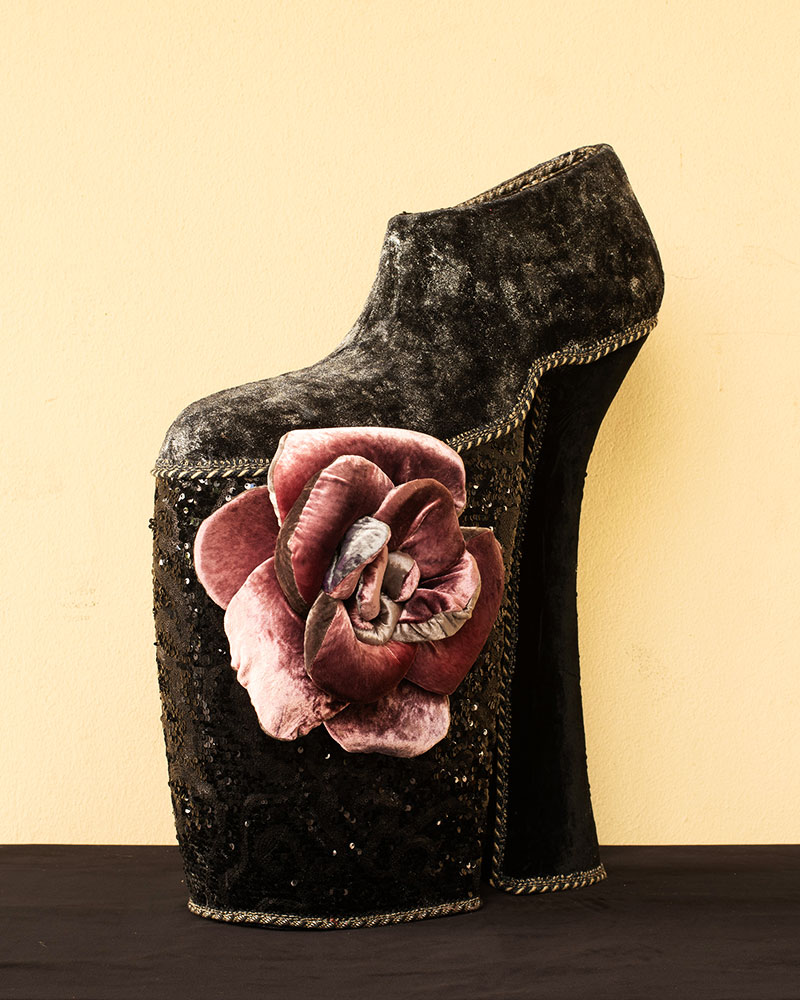
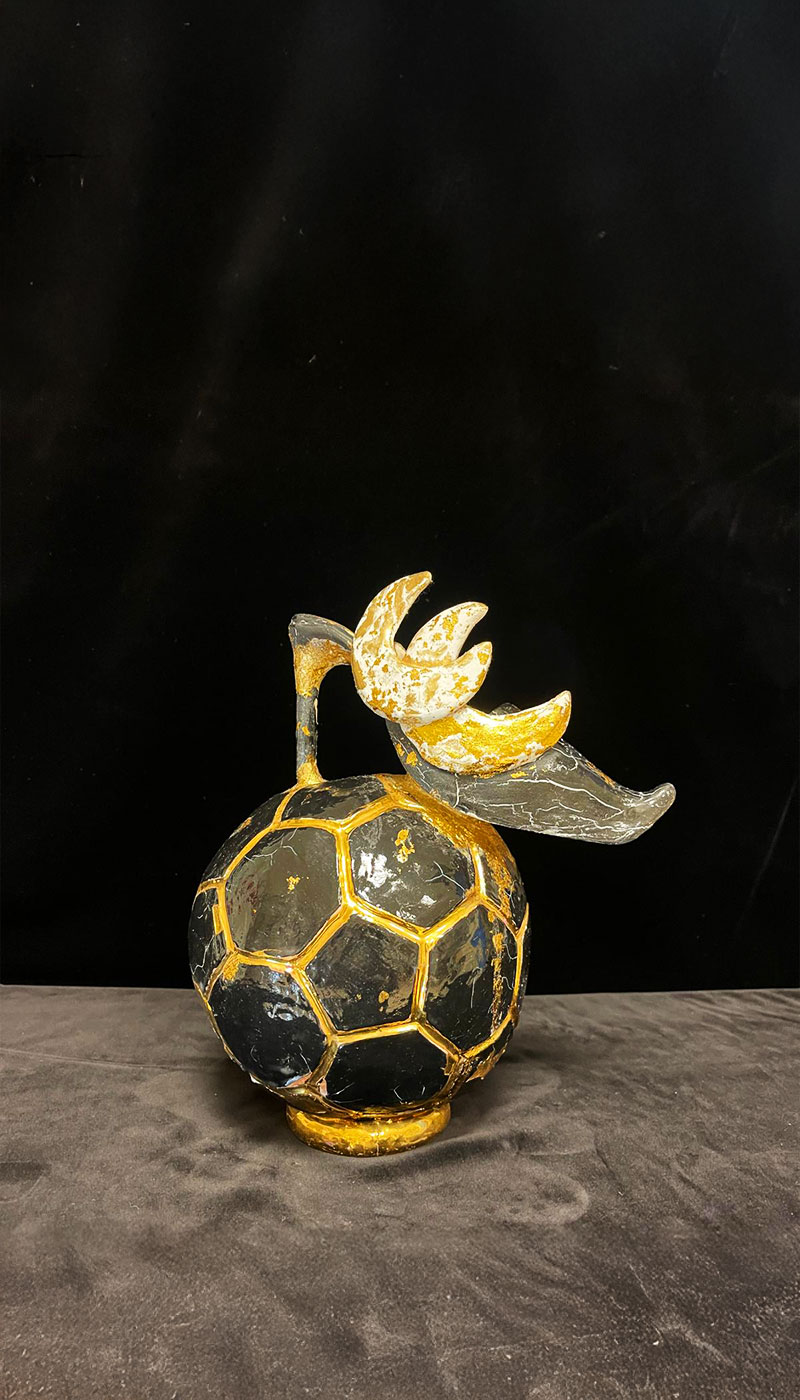
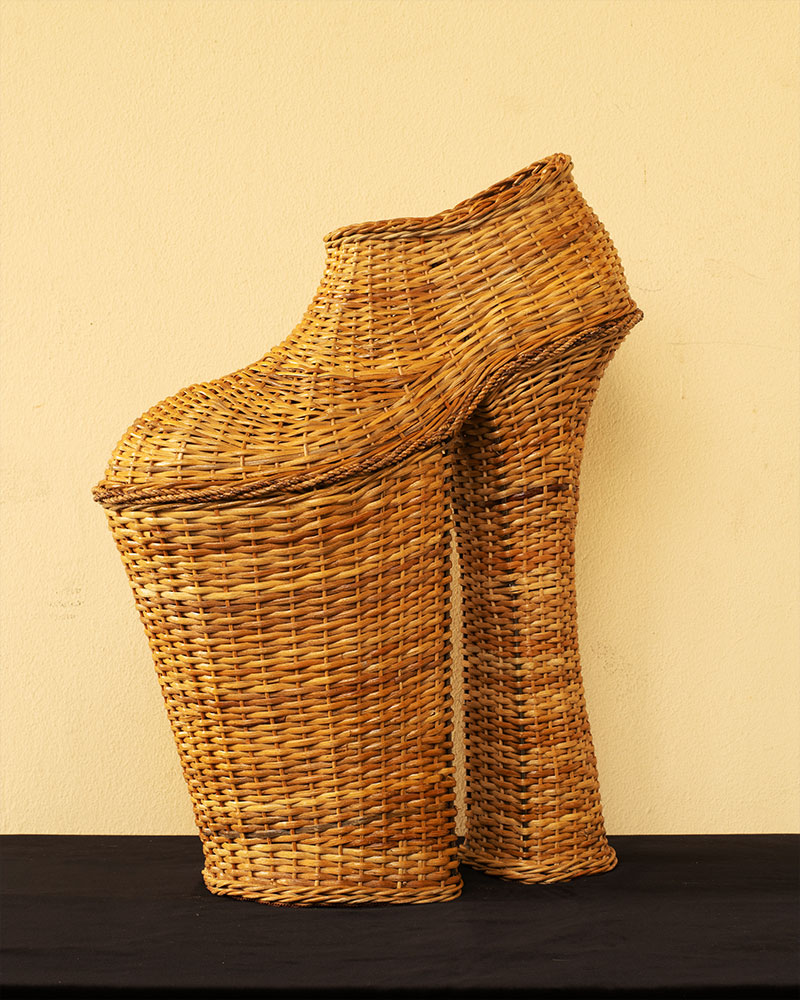
Instead of leather, the shoe sculptures are made from an assortment of materials. They are particularly fragile and breakable, made from resin, rattan, terracotta, ceramic or porcelain and adorned by velvet, fur and leather — a flamboyant display of his fertile imagination, inspired by the artistic air and flair of Milan, as well as the nostalgic memories of his hometown in the Philippines.
He has referred to his shoe sculptures as “Cinderella between Zen and fetish.” And rightly so, for his shoes are larger than life’s most practical travel wear, transformed into the specificities of desire, satisfaction, and expressionistic glee. His shoes have the dreamlike quality of fairy tales: gigantic stilettos, a shoe with a metal wire-frame stuffed with fluffy velvet roses, oversized heels and soles, some of them with a malleability and softness that belie their fragile make and material.
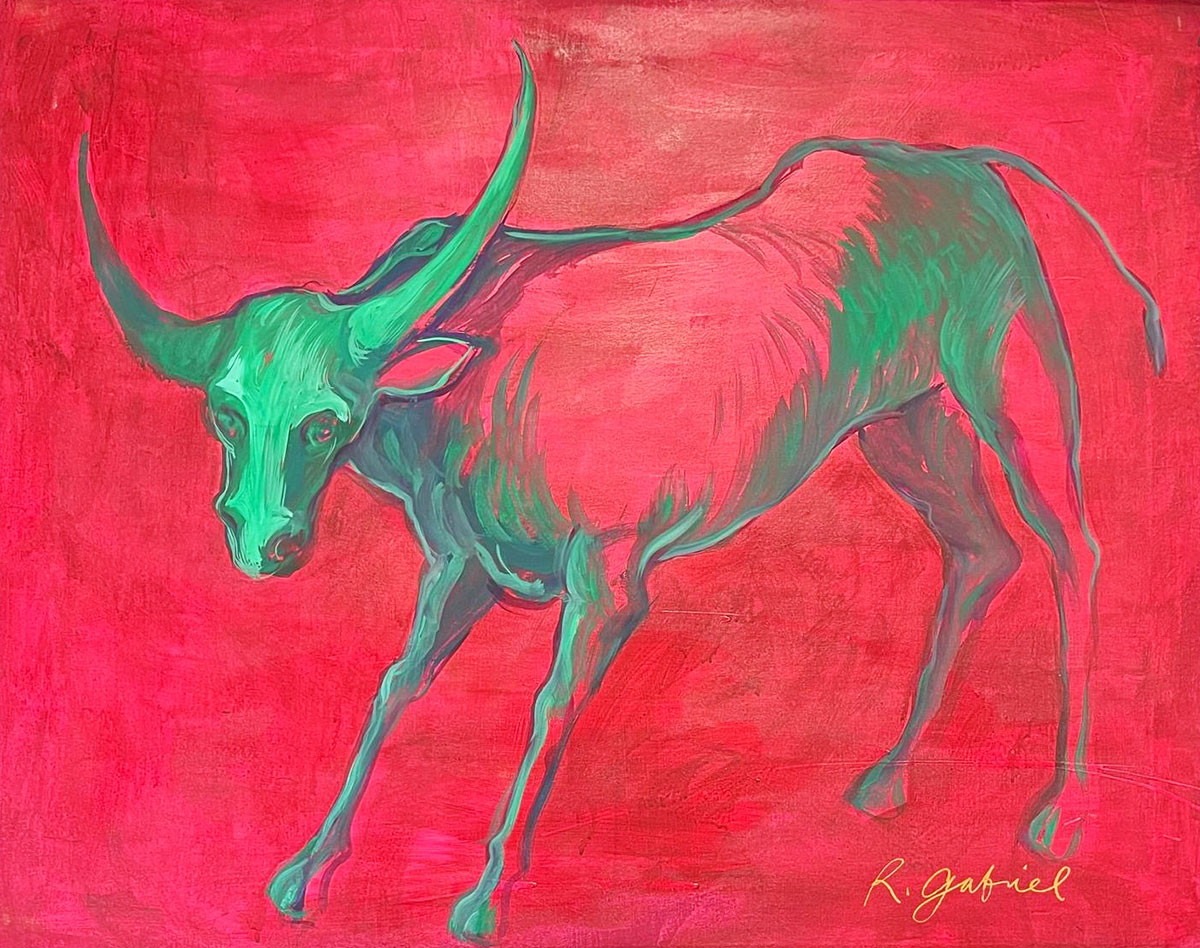
His paintings, on the other hand, are modernist renditions of the carabao, an iconic image from his tropical country that he has transplanted to Italy. The carabao is a beast of burden used by Filipino farmers to plow their rice fields. Its hide is a symbol of toughness and tenacity, like the Filipinos around the world, who do back-breaking work on a regular basis just to earn a living. In his paintings, the carabaos are either solitary or with a family, depicted with a flaring red mark on their body, as if to say, every success of the Filipino overseas is a product of hard work, patience, and a burning love for family and country.